

- Injection Moulding of many plastic parts including Cam Covers, Impellors, volutes, and Cowl Guards
- Subassembly of parts including water pumps
- Chroming and Painting plastic parts
- Alloy castings including Water pumps and PDM (Power Distribution Module)
- Gaskets, Seals and Shims Polymer and Metal
- Components sourcing of inserts and materials required to assembly parts.
- Material Robustness – Plastics are as strong as metal parts and offer a weight advantage over metal which is an important consideration in the Marine sector, reducing the overall weight on the water and therefore improved fuel efficiency.
- Flexibility for the Application – Plastic offers an extremely flexible option in the Marine Industry. Plastics can tolerate high and low temperature regimes in saline and fresh water.
- Low Cost – Injection moulding plastic parts is a low cost, high quality, repeatable process ideal for Marine applications. Plastic parts are moulded from low-cost raw materials with lower weight than metals, delivering lower logistics costs.
- Corrosion Resistance – Manufacturing parts in plastic offers a significant benefit over some metals in the Martine Sector. Most metal parts will require a specialist coating or be cast with corrosion resistance to be suitable for Marine use. Marine parts made from metal and used in fresh water may not corrode as quickly as a saltwater environment, however this does not need to be a consideration when manufacturing parts in plastic.
- Precision Tolerances – Injection moulding ensures parts are moulded to precision tolerances, critical where dimensional accuracy is fundamental.
- Custom Finishes – Plastics don’t corrode and can be moulded onto metal parts where necessary. Plastics can be moulded in thousands of RAL colours or painted, chromed, or coated.
- Ensure that a supplier can meet the customer’s manufacturing and quality requirements.
- Provide evidence that the customer engineering design record and specification requirements are clearly understood and fulfilled by the supplier.
- Demonstrate that the established manufacturing process has the potential to produce the part that consistently meets all requirements during the actual production run at the quoted production rate of the manufacturing process.
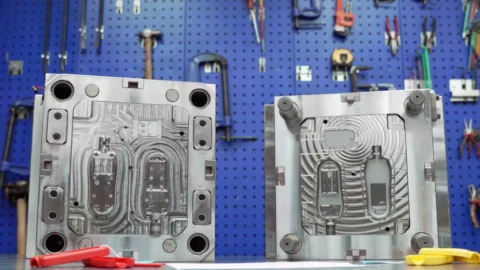
Our Robust Development Process:
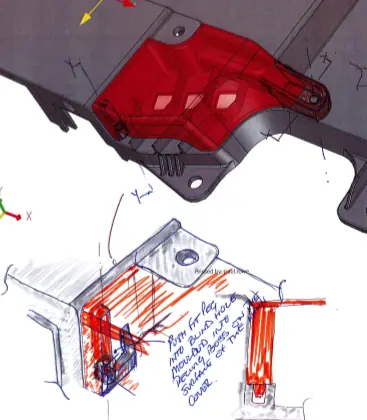
Concept & Requirements
Discovery

Design for Manufacture
Investigation and Development
- Offer & Project Commercialisation.
- Standardise materials, colours, number of parts, Inserts and build Operations.
- Product and Design exploration with Sector cross pollination.
- Initial FMEA & Control Plan.
- Project Management.
- Report & Proposals to Client.
- Prototype and review.
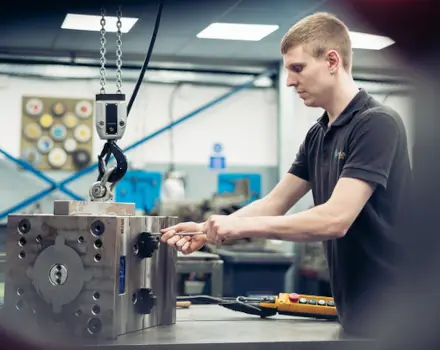
Product Tooling Design & Manufacture
Tooling and Sampling
- Design Freeze with 2D drawings & 3D files.
- Tool Design GA customer approval.
- Tool Manufacture.
- Product & Tool identification standard for asset and labelling.
- Product ERP structure, Centre selection, Bill of Materials and route standardisation.
- Product materials procurement.
- Production trials scheduling.
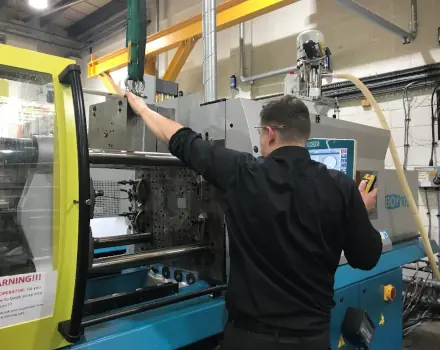
Product & Tooling Trials
Sampling
- Customer update.
- Tooling and production trials.
- T1 Sample submission.
- Review, Tune & Development.
- Tooling and Production Trials.
- T2 Sample submission.
- Sampling Review.
Product Part Approval
Verification and Validation
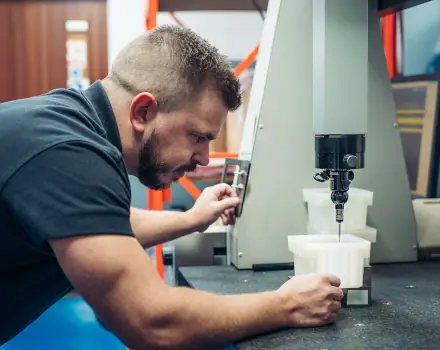
- PPAP Product Part Approval Process.
- First Article Inspection reports.
- FMEA review.
- Tooling Review.
- Pilot production requirements.
- Tooling Acceptance.

Product Approved
Industrialisation
- Transfer to commercial teams.
- Product can be scheduled against production requirements.
- Delivery terms reviewed (VMI, KANBAN).
- Review.