Sustainability at Nordell
Sustainability at Nordell is shaped by practical action, long-term investment, and a focus on continuous improvement.
We look at sustainability through the day-to-day decisions that affect how we manufacture, how we use energy, how we reduce waste, and how we invest in better equipment and materials. That includes LEAN methodology, Continuous Improvement practices, employee training, environmental goals within business planning, and ISO14001 accreditation.
Our Environmental Commitment
At Nordell, responsible manufacturing is part of how we operate.
We work to reduce waste and energy use, meet or exceed environmental legislation, recycle where possible, and keep environmental goals embedded within the business. We also work with independently audited raw material suppliers, helping ensure their production processes meet industry standards and support a more responsible supply chain.
Our approach is not built around a single initiative. It is supported by an environmental management system, regular employee training, and a commitment to improving the way we work over time.
Solar Energy
Solar power forms an important part of Nordell’s wider energy strategy.
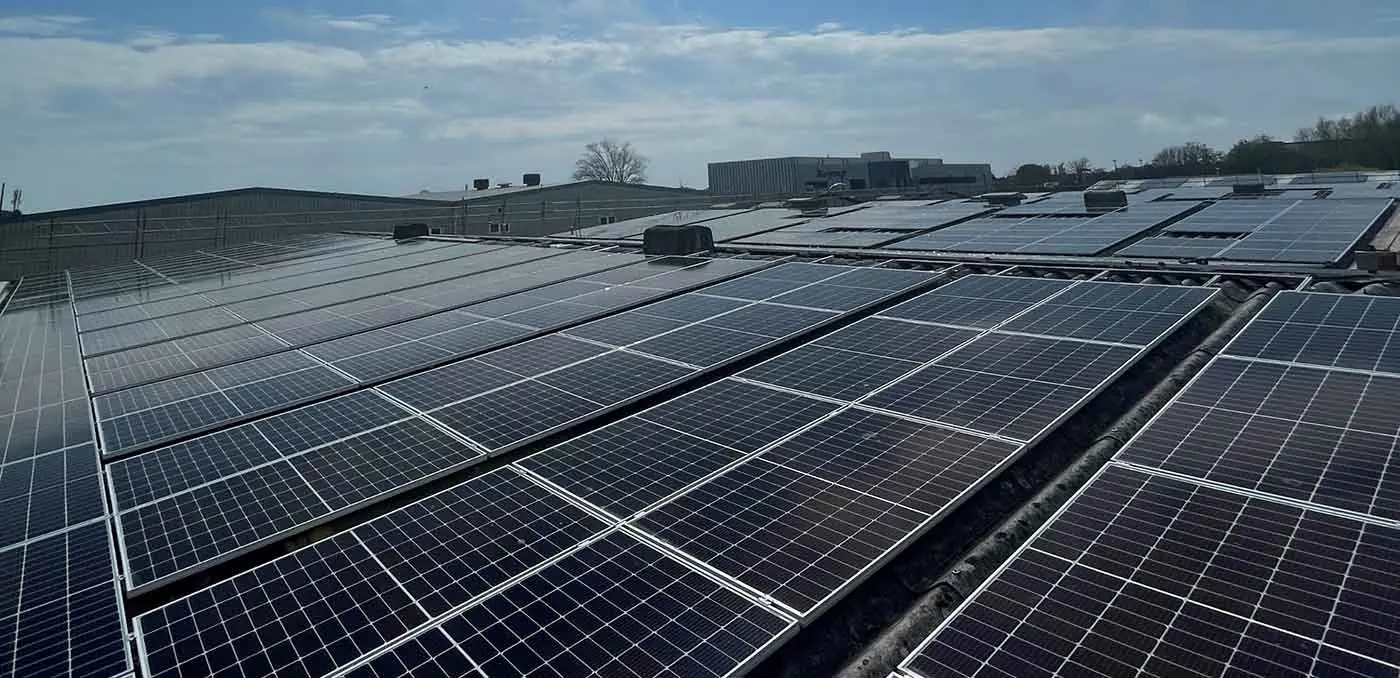
Our 270kW solar panel system helps generate renewable energy on site, reducing reliance on carbon-based power sources and supporting lower overall energy demand from the grid. Our solar array can power approximately 50% of our total energy usage on a sunny summers day!
Rather than standing alone, solar energy works alongside site monitoring, machinery upgrades, and other energy-saving measures to support a more efficient manufacturing operation.
Energy Efficiency and Reduction
Reducing energy use starts with understanding where it is consumed and where improvements can be made.
Nordell has invested in site infrastructure, equipment, and process changes that help reduce unnecessary energy usage. These include energy monitoring on mould presses and sundry equipment, timers on dryers and heaters, PIR sensors, LED lighting, and wider operational reviews across the business.
This work is supported by LEAN methodology and Continuous Improvement activity across the company, with employees playing an active role in identifying where waste can be reduced and efficiency improved.
Sustainable Materials and Bio-Plastics
Material choice is another area where Nordell continues to explore practical improvements.
We work with leading manufacturers to trial and develop bio-plastic solutions, helping customers assess whether more sustainable material options are suitable for their product and performance requirements. Bio-plastics can be made from renewable resources, designed to biodegrade, or both. As with any material, suitability depends on the application, performance requirements, and end use.
To support this work, Nordell has developed a dedicated test product designed to assess how new biomaterials perform under real-world moulding conditions. This helps provide a clearer understanding of how sustainable materials behave before they are specified for production.

Waste Management
Waste reduction is closely linked to process control, training, and getting more right first time.
At Nordell, we focus on reducing scrap through process mapping and training, while also recycling waste where possible through regrinding for reuse or collection by a commercial plastic recycler.
This practical approach helps reduce wasted material, limit rework, and support a more efficient manufacturing process overall. The existing waste-reduction measures are also reinforced by the broader energy and efficiency work taking place across the business.
Efficient Machinery and Electric Moulding Machines
Investment in machinery has been an important part of Nordell’s sustainability journey.
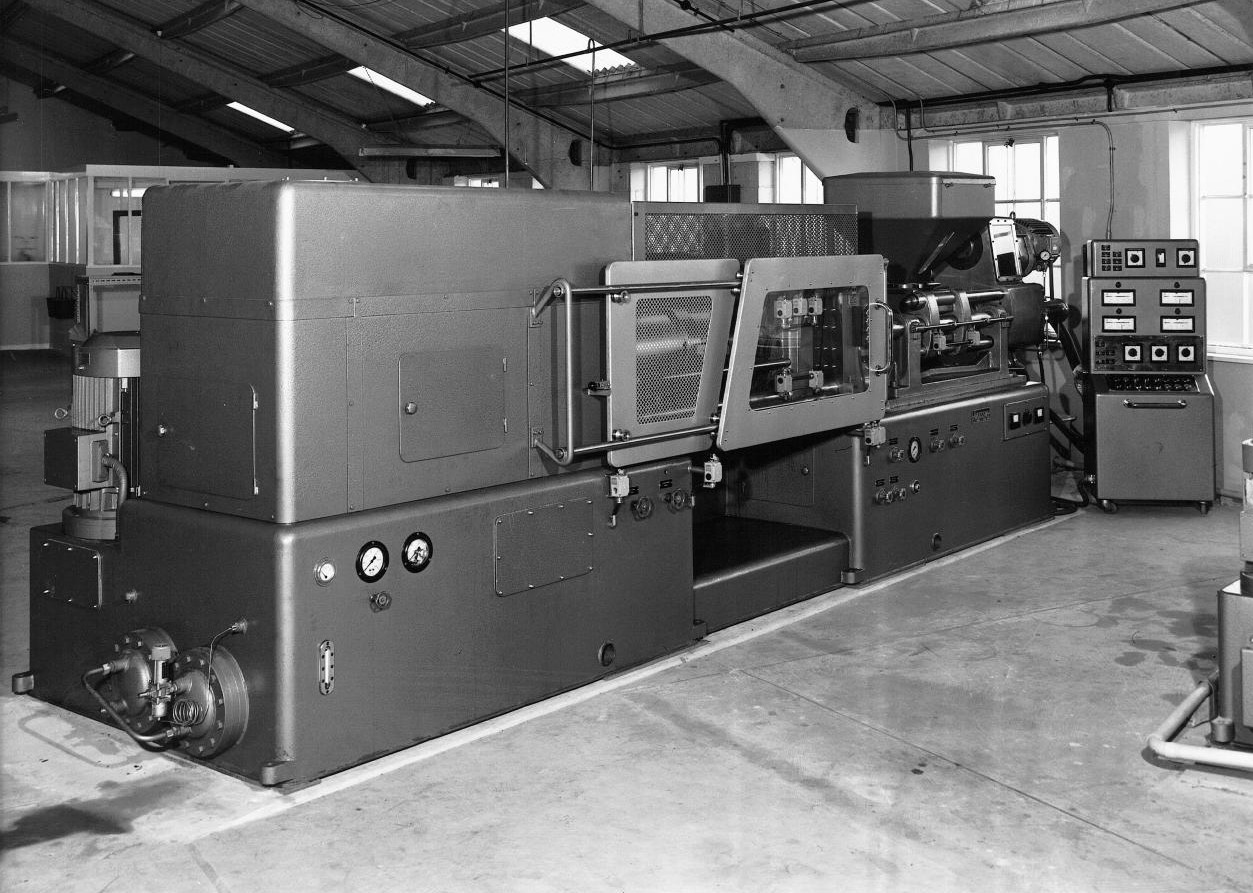
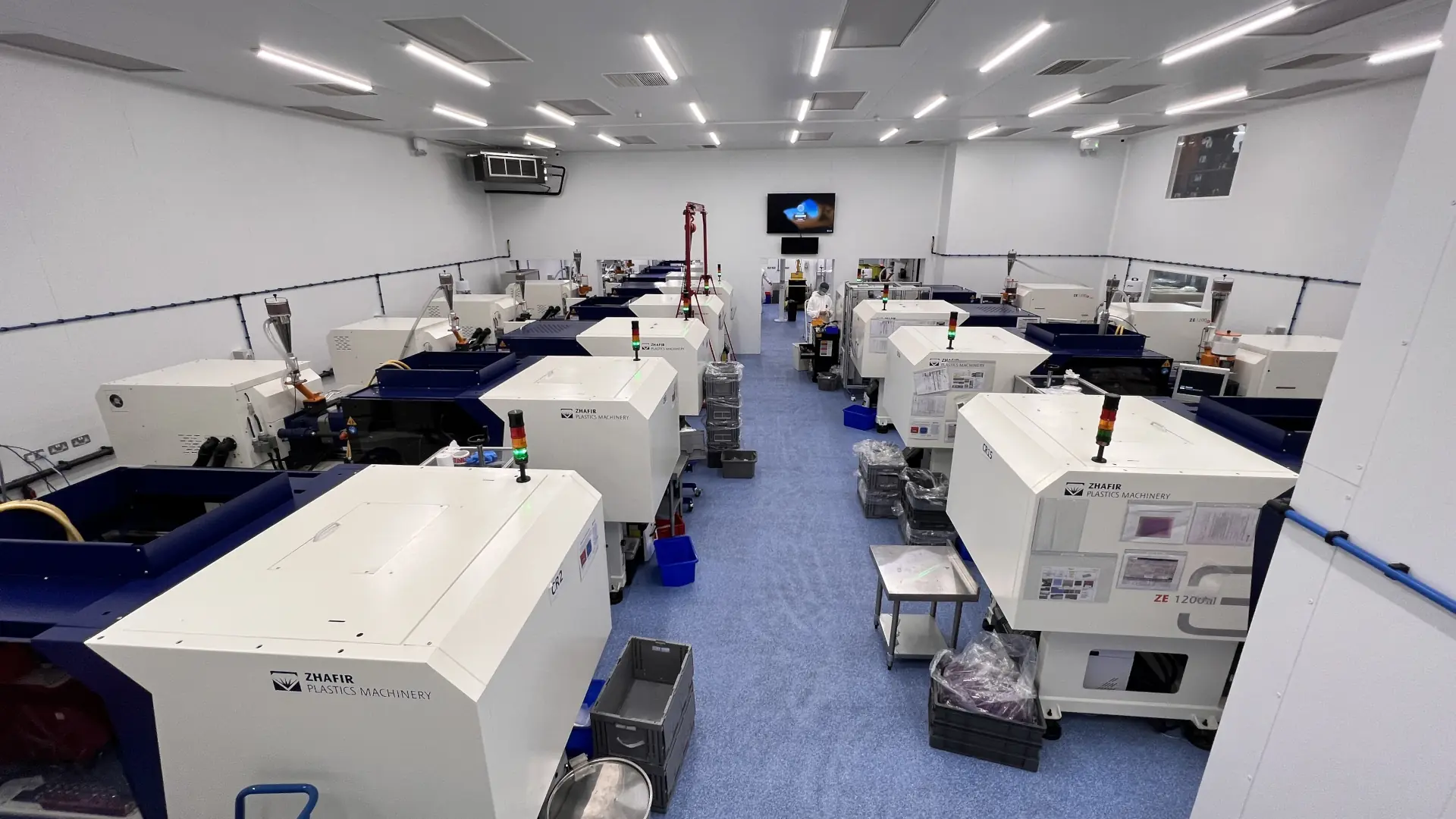
We have been moving from older hydraulic systems towards newer electric moulding machines that use energy more efficiently and offer stronger process control. Electric moulding machines can improve energy efficiency because they only use power when machine movements are taking place. Traditional hydraulic machines continue consuming energy even when they are not actively producing.
These machines also support high repeatability, faster processing, shorter start-up times, quieter operation, and cleaner manufacturing conditions, particularly in cleanroom environments where oil leakage is a concern.
Continuous Improvement
Sustainability is an ongoing process, not a finished project.
Nordell continues to improve by reviewing how energy is used, how waste is managed, how materials are selected, and how technology can support more efficient manufacturing. That long-term approach is reflected in our continued investment in solar energy, electric machinery, monitoring systems, and new material development.
By focusing on practical improvements across the business, we aim to build a manufacturing operation that is more efficient, more resilient, and better prepared for the future.